How Nutrition Affects Your Body’s Natural Growth Hormone Production
Human Growth Hormone (HGH) is a vital hormone that influences muscle growth, metabolism, energy levels, and overall vitality. While HGH levels naturally decline with age, lifestyle and nutrition play a significant role in how effectively the body produces this hormone. What you eat can either support healthy HGH production or hinder it. Understanding the connection between nutrition and growth hormone is essential for anyone seeking to maintain fitness, enhance recovery, or promote overall well-being. For those who may need supplementation, it is important to get a prescription for HGH from a licensed healthcare professional.
The Role of HGH in the Body
HGH is secreted by the pituitary gland and is central to growth, cell regeneration, and metabolism. It helps build muscle, reduce fat, and repair tissues. In adults, HGH continues to impact energy levels, exercise performance, and body composition. Adequate production of HGH supports healthy aging and recovery from physical activity. Nutrition is one of the key factors that can influence the hormone’s natural secretion.
The Building Block for Growth Hormone
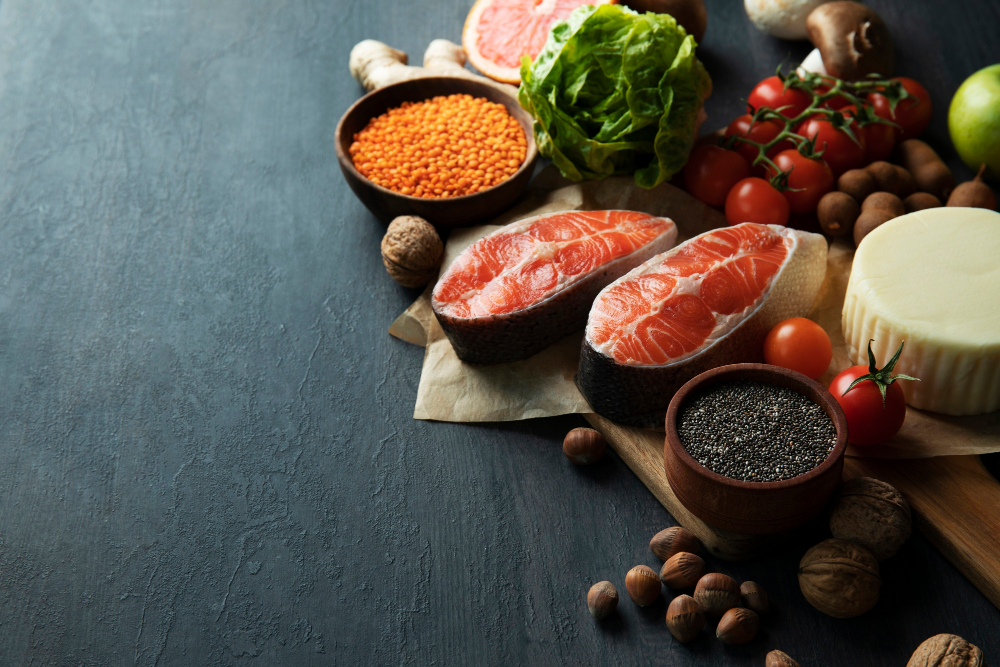
Protein plays a critical role in stimulating HGH production. Amino acids, particularly arginine, glutamine, and lysine, are essential for promoting natural hormone release. Consuming high-quality protein sources can enhance growth hormone levels, especially when combined with resistance training. Even plant-based proteins, like beans and soy, contribute to amino acid intake. Ensuring sufficient protein consumption is a fundamental step toward supporting your body’s natural HGH output.
Carbohydrates and Insulin Response
While carbohydrates are an important energy source, excessive intake can negatively impact HGH secretion. High blood sugar triggers insulin release, which may suppress growth hormone production. Simple sugars and refined carbohydrates have the most significant effect, whereas complex carbohydrates, like oats, quinoa, and sweet potatoes, provide energy without large spikes in insulin. Balancing carbohydrate intake and timing it around workouts can help maintain optimal hormone levels.
Fats and Hormone Balance
Healthy fats are essential for hormone production, including HGH. Omega-3 fatty acids found in fish, walnuts, and flaxseeds support overall endocrine function and help regulate inflammation. Monounsaturated fats from olive oil and avocados also contribute to hormonal balance. Avoiding excessive saturated and trans fats is important, as they may negatively influence hormone production. Incorporating the right fats into your diet ensures a favorable environment for natural HGH secretion.
Vitamins and Minerals That Support HGH
Certain vitamins and minerals play a supportive role in HGH production. Vitamin D, magnesium, zinc, and B vitamins are particularly important for endocrine health. These nutrients aid in enzyme function and cellular processes that regulate hormone release. A diet rich in leafy greens, nuts, seeds, and fortified foods helps ensure your body has the tools it needs to produce growth hormone effectively. Deficiencies in these nutrients can compromise hormone function.
Meal Patterns and Timing

When you eat can be as important as what you eat. Intermittent fasting, for example, has been shown to increase HGH levels temporarily due to reduced insulin levels during fasting periods. Consuming protein-rich meals post-exercise can further stimulate hormone release. Additionally, avoiding late-night heavy meals may prevent disruptions in natural HGH secretion, which typically peaks during deep sleep. Proper meal timing creates an environment where your body can produce growth hormone efficiently.
Lifestyle Factors and Nutrition Synergy
Nutrition works hand in hand with other lifestyle factors to influence HGH. Adequate sleep, regular exercise, and stress management all contribute to hormone balance. Strength training, high-intensity interval training (HIIT), and sufficient rest periods amplify the effects of a nutrition-focused strategy. By combining these lifestyle habits with a well-balanced diet, you can maximize your body’s natural growth hormone production and enjoy the full benefits of its functions.
Your diet has a direct impact on how effectively your body produces natural growth hormone. Protein, healthy fats, essential vitamins and minerals, and smart carbohydrate choices all play a role. Meal timing and lifestyle factors, including exercise and sleep, further influence hormone levels. Understanding these connections ensures that you provide your body with the necessary tools for optimal HGH secretion. By prioritizing nutrition and supporting habits, you can enhance muscle growth, metabolism, and overall vitality naturally.…